The real laser machine running cost isn't the number on the quote. It's what you pay every year after the sale: flashlamps, handpieces, laser bars, tubes, membranes, tips, and the water that keeps it all cool. Two machines with the same purchase price can differ wildly here. So before you sign, work out the running cost per year, not just the sticker. This guide breaks it down by machine type and shows you how to estimate it.
Think of it like buying a car. The price gets you in the door. Fuel, tyres and servicing decide what it really costs to own. Aesthetic lasers behave the same way, and the "fuel" changes completely depending on the technology inside.
What actually makes up a laser machine's running cost?
Every light-based device has parts that wear out and get consumed by use. Group them and the picture gets simple. You've got the light source (a lamp, a diode bar, or a gas tube), the optics and delivery parts (handpieces, crystals, mirrors, filters), the disposables a treatment burns through (gel, membranes, serums, tips), and the plumbing that stops the whole thing overheating (chiller, water, filters). Ignore any one of these and your budget will be wrong.
The single most useful idea to carry into a supplier conversation is cost per shot. Take the price of the consumable light source, divide by how many shots or hours it's rated for, and you get a per-treatment cost you can actually compare across brands. A cheap lamp that dies fast can cost more per shot than a pricier one that lasts.
| Machine type | Main consumable | What triggers replacement | Replacement frequency |
|---|---|---|---|
| IPL / E-light | Xenon flashlamp in the handpiece | Energy fades, treatments underperform | Periodic, high turnover |
| Diode hair removal | Diode laser bar / handpiece | Bar degrades after millions of shots | Rare, high ticket |
| Q-switched Nd:YAG | Flashlamp, crystal, optics | Falling output, hot spots on optics | Periodic |
| Fractional CO2 | Laser tube (RF or glass) | Power drop over operating hours | Infrequent, varies by tube type |
| Cryolipolysis | Anti-freeze membranes, gel | Single-use per applicator cycle | Every session |
| Hydra / water-oxygen | Tips, serums, solutions | Consumed per facial | Every session |
IPL and E-light lamps: your cost-per-shot workhorse
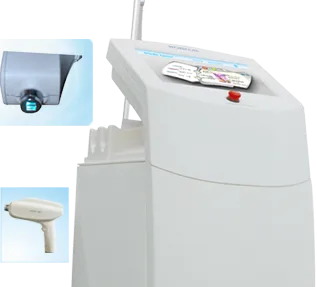
If you run an IPL or E-light platform, the xenon flashlamp is your biggest recurring spend, and it's a genuine consumable. It doesn't fail overnight. It fades. Each shot pushes a little gas out of the tube, so output creeps down until treatments stop landing the way they used to. Heraeus Noblelight, one of the flashlamp makers that supplies the medical laser industry, describes these lamps as wear parts that need periodic replacement to keep a system at full efficiency.
How long is a lamp good for? It depends on the energy you run. In our own E-light service manuals, the pulsed xenon lamp is rated at roughly 60,000 shots, and the notes warn that heavy work like hair removal, where the parameters are high, can push output below the ideal window well before that, often around the 30,000-shot mark. When the lamp is spent, the fix is a return-to-factory swap of the lamp and related parts, not a field job.
Here's the practical takeaway. A busy salon running back-to-back sessions burns lamp life fast. So ask the supplier two things: the rated shot count, and the price and lead time of a replacement lamp. Then divide. That's your true cost per shot. A platform like the PE-01 E-light system earns its keep when the per-shot maths stays low across a heavy week.
Diode laser bars and handpieces: fewer swaps, bigger tickets
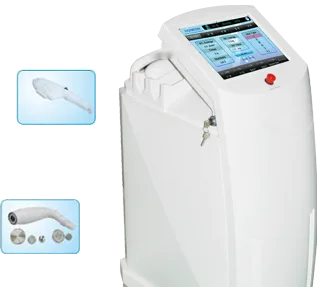
Diode hair-removal machines flip the pattern. The light source is a semiconductor bar, and a good one lasts a very long time. Pmise diode platforms such as the DL-04 are specified at more than 20 million shots per source, which for most clinics means years of use before the bar itself is a concern.
The catch is the size of the bill when a diode handpiece does need attention. It's the most expensive spare part on the machine by a wide margin. Our own 808 spare-parts list puts the handpiece far above everything else, dwarfing small items like a water filter. So the running cost story for diode is inverted: low frequency, high stakes. That makes the warranty terms and spare-part pricing decisive. We cover that in detail in our guide to laser machine warranty and spare parts.
Q-switched flashlamps and optics: the tattoo and pigment cost
Q-switched Nd:YAG machines, the pigment and tattoo workhorses, sit between the two. Many still use a pumping flashlamp, so like IPL you're looking at a lamp that fades and eventually needs replacing. On top of that you've got optics: the laser crystal, mirrors, and the treatment tips that take a beating from high peak power. Watch for falling energy and any sign of damage on the optical surfaces. Keeping the beam path clean and the cooling healthy stretches all of it.
CO2 tubes: why RF-excited outlasts glass
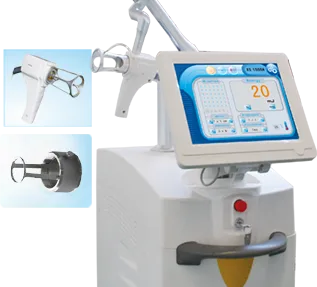
Fractional CO2 running cost lives or dies on one part: the laser tube. And the type of tube changes the whole equation. There are two families, sealed RF-excited metal-ceramic tubes and DC-excited glass tubes, and they don't age the same way.
Glass tubes lose power steadily almost from day one, and their working life is measured in the low thousands of hours. Sealed RF tubes hold their output far more steadily and last many times longer. Industry sources like Epilog Laser put sealed metal-ceramic tubes many times ahead of DC glass tubes on operating hours, and our own CO2 engineering notes reach the same conclusion: an RF-excited tube can run for years of stable output, while a glass tube may give you a year or two before energy drops off. Our fractional platforms, including the CF-01 CO2 laser, are built around this longer-life approach.
A tube that costs more upfront but holds its energy for years can be the cheaper machine to run. Judge the tube by its life and stability, not just its rating on paper.
Body devices: membranes, tips, gels and the chiller
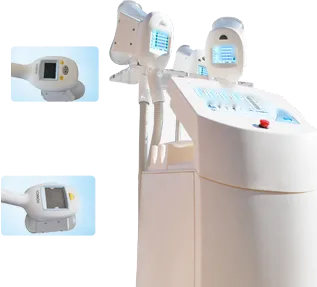
Body-shaping and skin-care machines carry a different running cost, and it's easy to underestimate because it's per-session, not per-year. Cryolipolysis needs an anti-freeze membrane and gel for every applicator cycle, so each treatment has a hard consumable cost baked in. Plan the cryolipolysis system around membrane supply, not just the machine. Hydrafacial-style and water-oxygen devices burn through tips, serums and solutions with every facial, so your consumable spend scales directly with how busy you are.
Then there's the part almost nobody quotes: water and cooling. High-power systems run a chiller, and that circuit needs clean water and filter changes. Our service manuals call for swapping the core water filter every couple of months under normal use, and a clogged filter starves the cooling loop, which makes the handpiece run hot and shortens the life of the expensive parts upstream. Cheap to maintain, costly to neglect.
How to estimate annual consumable cost and what to ask suppliers
You can get a realistic yearly figure with a short calculation. Don't guess it after the fact.
- Estimate treatments per week, then per year, for each machine.
- Work out shots or applicator cycles per treatment.
- Multiply to get annual shots or cycles.
- Divide the consumable's price by its rated life to get cost per shot or per cycle.
- Multiply that by your annual volume. Add water, filters and routine servicing.
Before you buy, put these questions to every supplier and get the answers in writing:
- What's the rated shot count or operating-hour life of the light source?
- What does a replacement lamp, bar, tube or handpiece cost, and what's the lead time?
- Is replacement a field swap or a return-to-factory job?
- Which parts are single-use per session, and what do they cost per unit?
- What routine maintenance (filters, water, optics cleaning) does the machine need, and how often?
- Which consumables are proprietary versus available on the open market?
That last one matters more than most buyers realise. A machine locked to costly proprietary consumables can quietly erase your margin. Feed all of this into your return-on-investment model. If you want the full framework, see our breakdown of aesthetic laser ROI for a clinic. And if you're weighing several technologies under one roof, our multifunction platforms can consolidate consumable lines into fewer part numbers.
Frequently Asked Questions
What is cost per shot and why does it matter?
Cost per shot is the price of a consumable light source divided by the number of shots it's rated to deliver. It turns a big, scary lamp or tube price into a small per-treatment number you can compare across brands. A lamp that's cheap to buy but short-lived can end up costing more per shot than a pricier, longer-life one. It's the fairest way to compare running cost.
How often do IPL and E-light lamps need replacing?
It depends entirely on how hard you run them. A xenon flashlamp fades gradually as gas escapes with each pulse, so high-energy work like hair removal uses up its useful life faster than gentler skin treatments. Our E-light service manuals rate the pulsed lamp in the tens of thousands of shots, with output dropping off sooner under heavy parameters. A high-volume clinic should budget for lamp replacement as a normal recurring cost.
Is an RF-excited CO2 tube worth the extra cost?
For most clinics, yes. Sealed RF metal-ceramic tubes hold their energy steadily and last many times longer than DC-excited glass tubes, which lose power early and need replacing sooner. A tube that costs more upfront but runs for years of stable output usually wins on total running cost. Judge it on rated life and energy stability, not just the headline price.
Which consumable costs are easiest to overlook?
The per-session ones and the plumbing. Cryolipolysis membranes, hydra tips and serums get consumed every treatment, so they scale with how busy you are and add up quietly. Water, filters and routine chiller maintenance almost never appear on a quote, yet a neglected filter can overheat and damage far pricier parts. Ask for the full consumable list, not just the light source.
Written by the Pmise Technical Team. We manufacture and service laser and light-based aesthetic equipment, and these figures reflect our own product manuals and field service experience. Always confirm current specs and consumable pricing for your specific configuration before purchase.